Not a brand film
Every company has a story. Almost none of them are told properly. A brand film flatters. A case study explains. Neither holds a viewer, because neither treats the subject as genuinely interesting. This series does.
52 Icons is a documentary series about people doing something genuinely iconic inside their industry. One founder per film, fifty-two films across the next twelve months, published on Forbes.com.
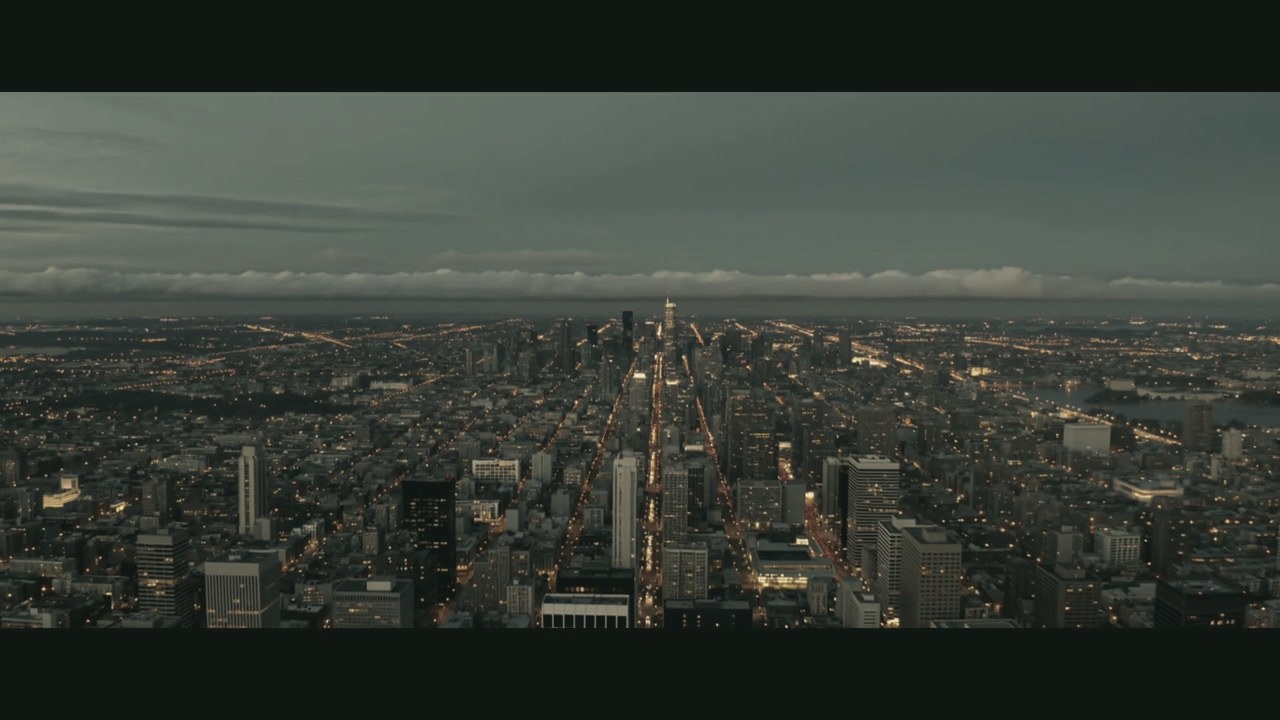
Sixty seconds, the register of the series in miniature.
Why fifty-two
One film is an anecdote. Fifty-two is a record of how work changed in this decade, told by the people who changed it, while it is still recent enough to get right.
Most of them have never been asked a proper question about what they built.
AN ICON OF CHANGE · LAMBORGHINI · NINE MINUTES TWENTY
Who we film
The builders. The stubborn. The overlooked. The obsessive. The ones who were told the thing would not work and did it anyway. The self-taught. The quiet operators. The people who kept going after the money ran out and nobody was watching.
These are the founders we film. There are not many of them, and we are hard to satisfy.
We come while the work is still happening. Not the retirement interview, not the victory lap. We want the habit, the ritual, the thing a founder does at six in the morning that nobody has ever pointed a camera at, because that is where the story lives.
The format
Most films a company pays for are watched once and then quietly forgotten. Each of these five refusals costs us something, and together they are the difference between a documentary and an advertisement.
Open a frame
Every company has a story. Almost none of them are told properly. A brand film flatters. A case study explains. Neither holds a viewer, because neither treats the subject as genuinely interesting. This series does.
One founder to a film. Fifty-two films. Each one enters a single habitat and stays there long enough to understand it, rather than touring nine companies in ninety seconds.
Length is the point. The films run 7 to 10 minutes because a real story needs room for context, stakes and a turn. Cut it to sixty seconds and it becomes an advertisement again.
The subject decides how the story is told. You set the boundaries at the planning call and you sign off the final cut. Nothing is published that you have not seen.
The film belongs to you afterwards. A full royalty-free licence, so you can post it, share it, run it in paid media and cut it up for your own marketing for as long as you like.
Our media partners
Nine publications and broadcast networks have carried work produced by Fifty Two Icons. 52 Icons itself is published on Forbes.com.
An editor is the last filter before a film reaches anybody at all. Knowing in advance what each of these will run, and what they will send back, is the difference between a film that is seen and a film that is merely finished.
Plate No. 01 / 52
A colony with no central nest, and a climate that is turning.
Adam Pisk built a company with no office and no floor. Its work happens at kitchen tables from Manila to Bogotá, in a workforce of several thousand who have almost all never met one another. The film opens at his desk in Singapore before sunrise and follows the colony west through a single turn of the earth.
See plate No. 01
The risk
Every film in this series states the strongest argument against its subject, fairly, in the subject's own habitat, and leaves it standing.
In plate No. 01 that argument is the International Monetary Fund's estimate that fourteen per cent of the Philippine workforce is exposed to displacement by artificial intelligence, with contact centres closest to the fire. The film does not resolve it. It watches a colony decide what to do about it.
A film with nothing at risk in it is an advertisement, and it is watched like one. This is the part that makes the rest believable, and it is the reason a founder can send one of these to an investor without wincing.